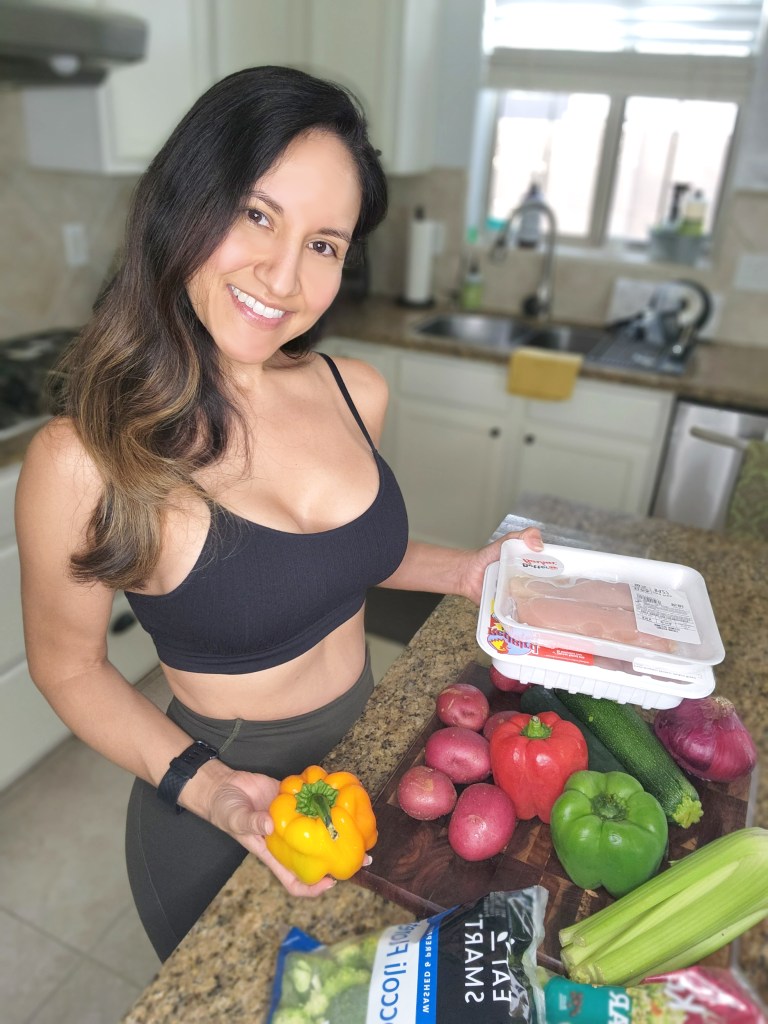
Have you been hearing everyone talk about protein and thinking to yourself, what is with all the protein? I am sure you are aware of this macronutrient and you understand that you need protein daily. However, do you understand what protein does for our bodies? It does so much and so many women aren’t prioritizing it enough in their diet.
Protein is an essential macronutrient that is needed every single day and it becomes even more important the more active we are and the older we get. Proteins come from a variety of sources, both animal and plant-based, such as chicken, beef, yogurt, fish, soy, eggs, beans, and legumes, just to name a few.
Proteins are made up of amino acids, which are sometimes referred to as “building blocks” of protein. There are a total of 20 amino acids, 9 of which are essential amino acids which means they must be obtained through our food. The remaining 11 can be synthesized by our bodies, therefore, they are considered non-essential amino acids.
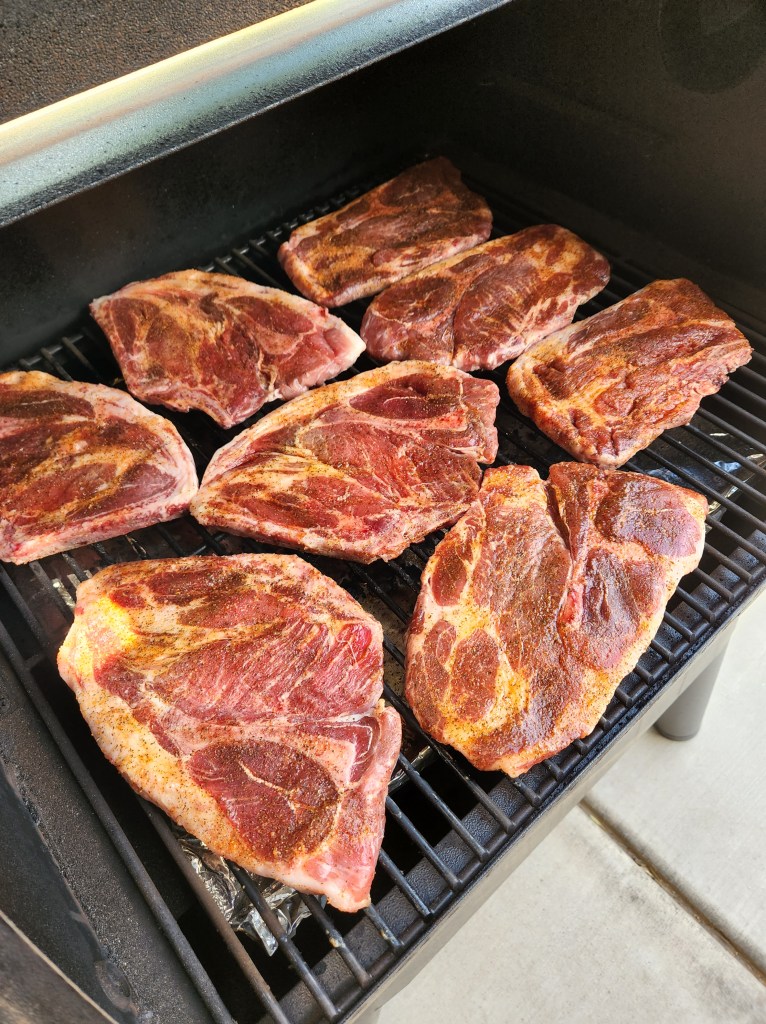
Protein is so important to the growth, maintenance, and repair of our muscles, bones, skin, tissues, and organs. Our bodies need a sufficient amount of protein daily to function efficiently, especially if we are exercising and want to build muscle. Exercise puts stress on our muscles, thus requiring protein to help repair and rebuild muscle. That is why recovery time after workouts is so important and shouldn’t be overlooked!
For the most part, protein is not used as a significant energy source. Some amino acids can be used to make “new glucose” in the process of gluconeogenesis. However, the body prefers to use carbohydrates and fats for energy. Protein is only used as a significant energy source when glucose is low or when there is a state of starvation. Then, our bodies will often break down our muscle tissue and use amino acids when we don’t have sufficient glucose to use for energy (so once again, don’t eliminate carbs from your diet, they are necessary).
Consuming the right amount of high-quality protein combined with other key nutrients can increase your fitness success, whether you are trying to lose fat or gain muscle. Protein quality is an important factor for dietary adequacy and can be determined by two factors, amino acid composition and digestibility. High-quality protein contains all essential amino acids in similar amounts needed by the body, as well as non-essential amino acids so that complete proteins are made. A diet that is inadequate in any of the essential amino acids will limit protein synthesis, so it is recommended that you eat a variety of high-quality protein. Animal products are considered higher quality proteins than plant proteins due to having better amino acid composition and better digestibility. However, consuming a variety of different plant-based proteins still can provide you with the amino acids your body needs.
It is always recommended that you try to obtain your protein from actual food sources, rather than depending entirely on supplements such as shakes and bars. Whole foods should be a priority, and then we look to supplements to aid in our intake of protein. I recommend using protein supplements as snacks to help you meet your protein intake goals, as well as help fuel you in between meals, and not look to them as meal replacements.
So how much protein should we be eating? This varies depending on a few factors, including your activity level and fitness goals. I recommend working with a registered dietitian or a certified professional to assist you with determining the right amount of protein for your body. But just remember, when you eat an adequate amount of protein, you are helping your body repair broken-down muscle, it will help you feel satiated and will assist with body composition goals since dietary protein can help preserve muscle mass as you are losing fat.
If you are vegan, you can certainly still increase your protein, though you may need to focus a little more on eating a variety of protein sources to ensure your body gets what it needs as many plant-based proteins are lacking in certain amino acids, causing them to be incomplete proteins. Focusing on a variety of plant-based proteins will likely allow you to consume complementary proteins, thus creating complete proteins. For example, beans are incomplete proteins, but combined with rice, they create a complete protein. If you are unsure where to begin, I always recommend working with a registered dietitian or certified professional.
I am sure you are wondering if it is possible to eat too much protein. It is not typically an issue for most people, but if you are getting more protein than you need, it will most likely cause minor side effects, however, if you have pre-existing kidney or liver problems, it could cause more critical side effects. Thus, it is always important to talk to your physician before starting any new nutrition plan, especially if you have a history of health issues.
I want to note that adding massive amounts of protein to your diet won’t accelerate your progress, and protein alone won’t give you giant muscles. Protein intake must be combined with the stimulus of resistance training exercises to build muscle. That extra protein that you are taking in will not convert into extra muscle, but just like any macronutrient, protein contains calories and too much of it can cause you to gain body fat.
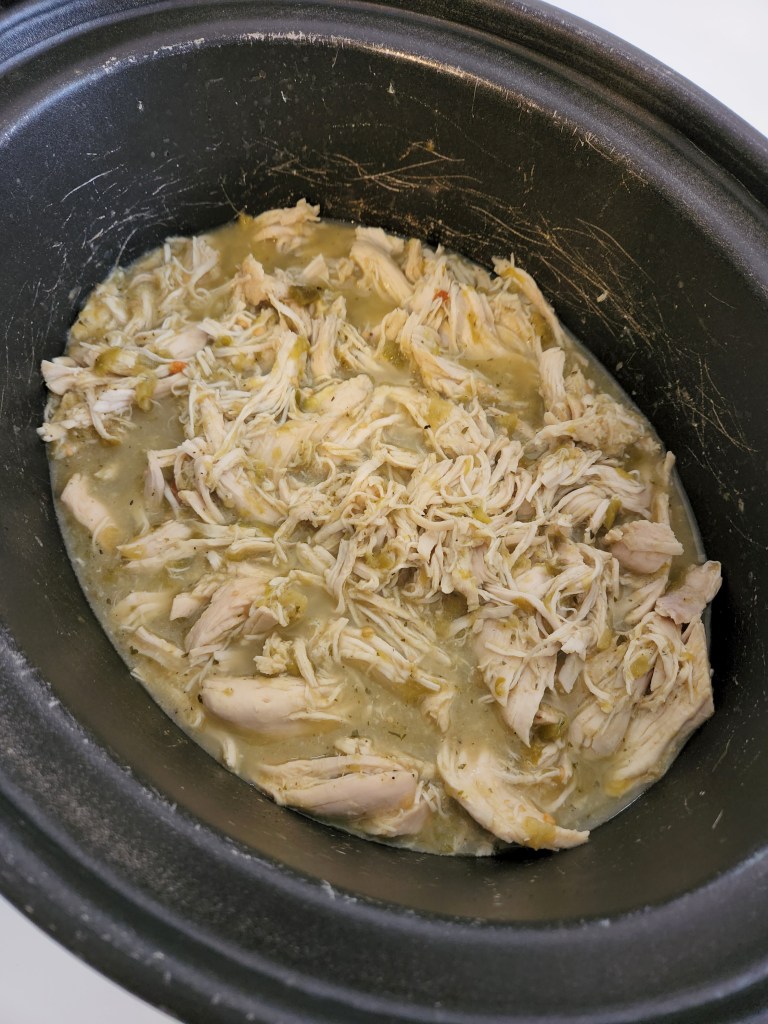
So, how can you prioritize protein daily? When you are planning your meals, try and focus on those healthy and lean proteins. I recommend avoiding lots of fried meats. It is best to eat those sparingly. I also suggest varying the types of protein you consume, choosing both animal and plant-based proteins. Eating from different protein sources will help you minimize those saturated fats that are bad for you and your heart health. When buying meats, try selecting 90% lean or higher to also help reduce saturated fats. Chicken and turkey will generally have less saturated fats, as well as several seafood options, such as shrimp and tuna, but please read the nutrition label to assist you when you are buying your animal proteins. Remember, saturated fats aren’t healthy for our arteries and they mainly come from animal protein. So, in general, the leaner the cut of meat the better. However, it is okay to indulge now and then in a fattier cut of meat, but overall it is best to limit those meats to minimize the intake of saturated fats.
Last but not least, let’s discuss age-related muscle loss, called sarcopenia. It is a natural part of aging. After you hit your thirties and forties, you begin to lose as much as 3% to 5% of muscle mass per decade. Less muscle means greater weakness, less bone density, and less mobility, all of which may increase your risk of falls and fractures. The good news is that it is not gone forever! Therefore, the best means to build muscle mass, no matter your age, is resistance and strength training and eating your protein. Protein is king when trying to build muscle and as you get older, it becomes even more essential that you nourish yourself with enough to help prevent the loss of muscle mass. Just remember that although declining muscle mass is part of aging, it does not mean you are helpless to stop it!
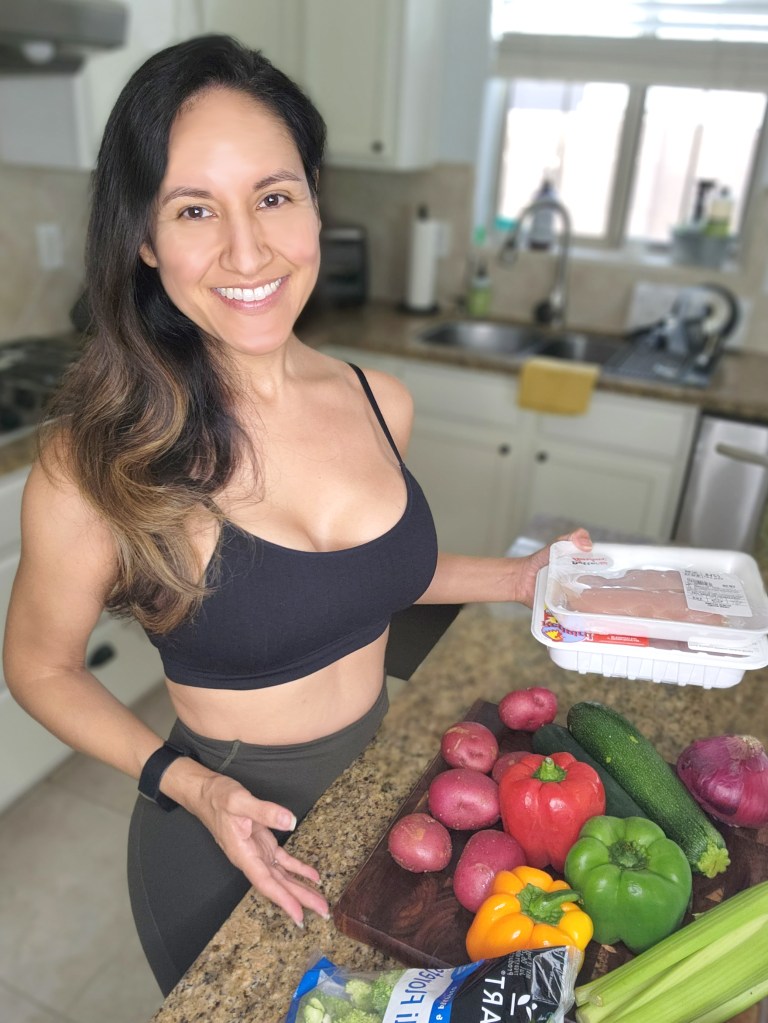
Now let’s talk about three important benefits of protein and why we want to prioritize it in our diet.
Satiation and Feeling Full Longer
If you are finding yourself constantly feeling like you are hungry throughout the day, you are probably not eating enough protein. Protein will help you feel satiated and will help you feel full for a longer period. Therefore, if you are trying to minimize unhealthy snacking, look for snacks that are higher in protein, and make sure each meal has sufficient amounts of protein.
Protein Boosts Your Metabolism
Protein can help increase your metabolism, which can aid in burning calories more efficiently. This is especially important for anyone trying to build muscle and lose fat. When you consume protein throughout the day, it helps you maintain your muscle mass, which is essential in maintaining your metabolism and burning calories throughout the day. As you can see, they all work hand in hand!
Protein Aids with Muscle Recovery and Growth
Not only does eating protein help prevent muscle breakdown, but it can also help build muscles. Combining regular activity and exercise with protein intake promotes muscle growth. Protein also plays a major role in muscle recovery after resistance and endurance exercise.
Finally, I think that it is important to note that it is necessary to eat a variety of foods in addition to protein. While protein is an important macronutrient, other macronutrients, and micronutrients are equally important to maintain a balanced diet that will keep your body healthy. If you need help or more ideas on how to get more protein, I recommend consulting with a registered dietitian or certified professional to identify healthy foods rich in protein to add to your diet.
Now go help those muscles and prioritize those healthy proteins!
 Flourish: Fitness. Health. Wellness.