
It is very common to hear individuals say that they need to stop eating carbohydrates so they can lose weight. This is a diet culture myth that simply needs to end. So, let me go ahead and say it; carbohydrates do not make you fat. Carbohydrates are NOT the enemy! A caloric surplus will cause you to gain weight, but that can be from any macronutrients! Don’t just blame the carbs. That is why it is important to take a closer look at what you are eating in a day. Track where your calories are coming from. How many calories are you consuming altogether? Are you drinking your calories? Are you eating too many sweets? Are you not practicing portion control? There could be many factors as to why you are gaining weight, struggling to lose weight, or having difficulty managing your current weight. It is important to determine the actual cause before blaming carbohydrates for it all.
You see, carbohydrates are probably the most unnecessarily feared and misunderstood of all the macronutrients. They get such a bad rap and are often thought of as terrible for weight maintenance and weight loss. Diet culture has led many people to believe that carbs will make them fat and the misconception is that by eliminating carbs from their diet, they will have a better chance to shed those unwanted pounds. However, the truth is, most dieters who cut out carbs may indeed see weight loss initially and for a short period, however since it isn’t sustainable long-term, the weight is typically put back on.
So, what exactly do carbohydrates do for us? Carbs are the primary fuel source for our brains and central nervous system. It is an important source of energy and it is an essential macronutrient to keep our bodies nourished. Especially if we are active and working out.

Though I love nutrition and the science behind it is fascinating, I only want to touch upon how carbohydrates work in our bodies. Our bodies use carbs to make glucose, which is a monosaccharide (a simple sugar) that is then converted to glycogen and stored in our liver to maintain blood glucose levels and in our muscles to be used as fuel for energy. Our muscles also need glucose for exercising, particularly resistance training and moderate to high-intensity cardio. Our bodies depend on this energy to function properly.
Complex carbohydrates are comprised of polysaccharides (again, not trying to get too technical) and provide us with many health benefits. They can help reduce the risk of many diseases and they provide essential vitamins and minerals. It also takes our bodies longer to break them down into glucose. Thus, with longer digestion comes longer-lasting energy, which helps make our meals more filling.
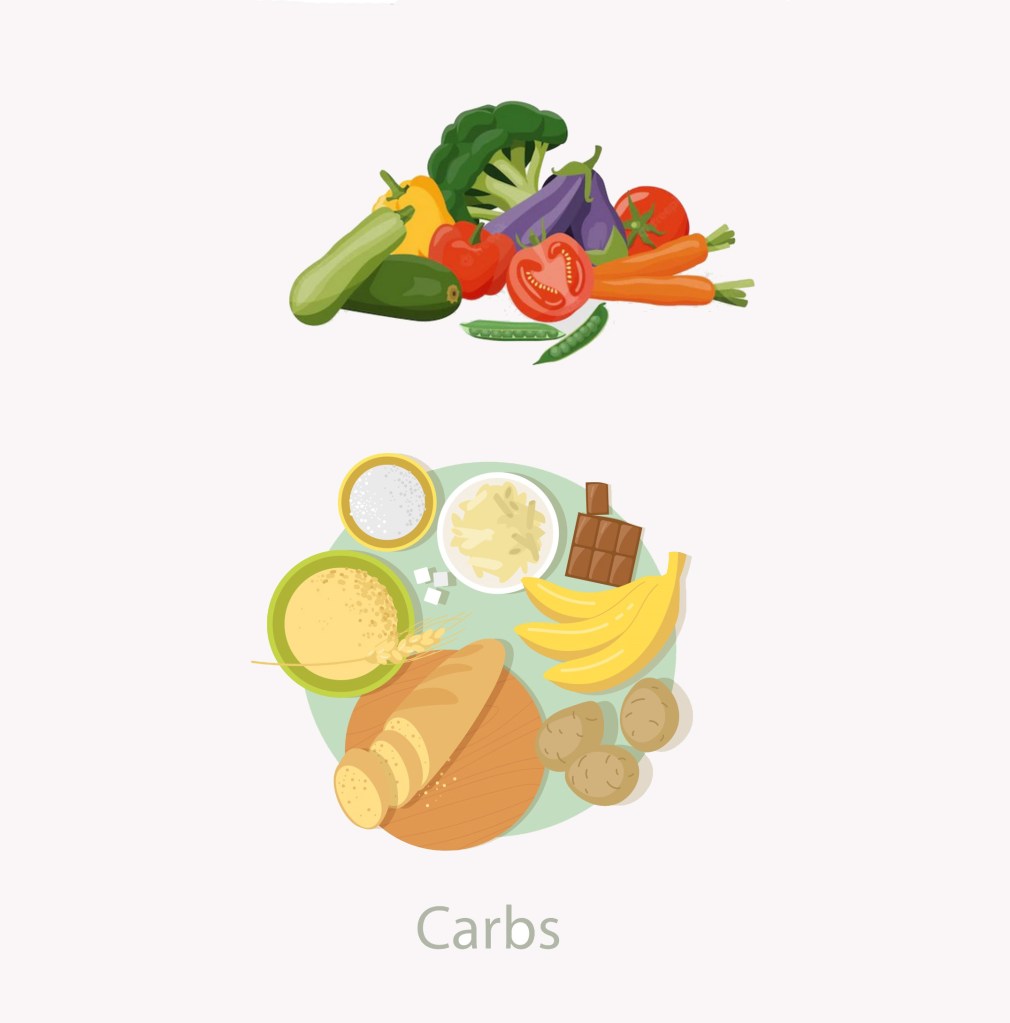
Fiber and starch, (as well as glycogen), are complex carbohydrates that come from foods derived from plants. Dietary fiber is a non-digestible polysaccharide and starch is a digestible polysaccharide. Many people fear high-starch foods, thinking that they will cause them to gain weight. But there is nothing to fear. These foods are perfectly fine and healthy to eat. It is about eating an adequate amount and creating a balanced meal. Food sources where you can find starch are in foods such as grains, legumes, vegetables, nuts, and seeds.
Dietary Fiber
Fiber (both soluble and insoluble) is especially important because it is essential to heart health, promotes bowel regularity and the digestive process, as well as helps to control cholesterol. Dietary fiber is found in foods such as fruits, vegetables, beans, whole grains, and legumes.
Soluble and Insoluble Fiber
Soluble fiber is a type of fiber that dissolves in water and is associated with reducing risk for cardiovascular disease, cancer, and Type II diabetes; as well as assists with weight management. Soluble fiber is found in foods such as beans, citrus fruits, berries, and oats.
Insoluble fiber does not dissolve in water but does absorb water. This type of fiber promotes regular bowel movements, alleviates constipation, and reduces the development of diverticulosis. Insoluble fiber is found in foods such as whole grains, seeds, legumes, fruits, and vegetables.
Natural Sugars and Added Sugars
It is important that we quickly note the difference between natural sugars and added sugars. Natural sugars are foods such as fruit and dairy. These are packed with vitamins and just have higher nutrient density than foods with added sugars. Sometimes you will find ill-informed individuals who tell you to stay away from fruit, such as bananas, because they are so high in sugar. These are natural sugars that also contain many additional micronutrients that are very good for you. Unless you have a medical issue that prevents you from consuming fruits, you don’t have to fear them or eliminate them from your diet. They are very healthy. It is foods that contain added sugars that we want to eat on occasion or sparingly. These are foods and drinks such as soda, baked goods (such as cookies and cakes), candy, sugary cereal, ice cream, etc. Though we try to limit our added sugar intake, please know that they don’t have to be eliminated entirely, but consumed within moderation. Please know that these foods also fit into a well-balanced diet.

To create healthy and well-balanced meals, do not eliminate carbohydrates from your diet. It is best to eat healthy carbohydrates with every meal, along with the proper amount of proteins and fats. Focus on eating a variety of nutritious and colorful foods. Fill your plates with delicious vegetables, fruits, beans and legumes. Yes, you can eat bread and pasta, just practice portion control. Last but not least, treat yourself to a cookie or slice of cake now and then, they can and should be enjoyed in moderation. This will leave you feeling satisfied and like you aren’t restricted or deprived of anything.
To figure out the amount of carbohydrates that work for your body, activity level, and goals, it is always recommended that you speak with a registered dietitian or certified nutrition professional. Also, you should always run any new diet or exercise program by your primary physician to ensure that it is safe before you begin!
Now go break free from the mindset that carbs are bad and get those meals prepped with healthy carbohydrates this week!
 Flourish: Fitness. Health. Wellness.